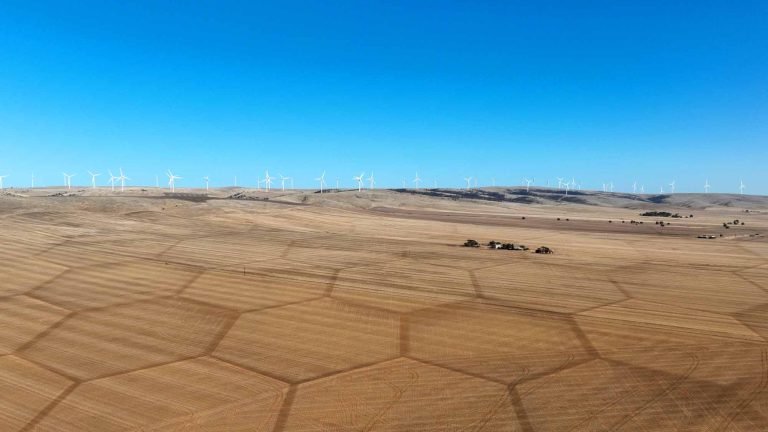
Across continents, from Africa to Australia, naturally occurring hydrogen, often termed “white” or “gold” hydrogen, is drawing increasing attention. In one region, a chance discovery decades ago led to a village being powered entirely by hydrogen rising from a well. While still rare in commercial terms, a pattern is forming. Geological mapping and exploration in North America, Europe and beyond is pointing to the presence of deep-seated reserves that may underpin future low-carbon supply chains.
Unlike hydrogen produced through electrolysis or hydrocarbon reforming, this type arises from the Earth itself. Subsurface chemical reactions, water interacting with iron-rich rocks, or the splitting of water molecules through natural radiation, can release hydrogen, which then migrates and accumulates in rock formations. If identified and extracted safely, this resource could offer a ready-made complement to net-zero goals without the infrastructure burden of high-cost production.
Interest among exploration firms is accelerating, with dozens of companies now assessing promising geological zones. Early-stage drilling in several countries is already hinting at scalable reservoirs. The potential in the UK is currently underexplored, yet certain regions such as Scotland and Cornwall exhibit the geological signatures necessary for such accumulations. However, this remains a resource class without a dedicated regulatory framework, and that limits progress.
UK hydrogen strategy to date has focused largely on green and blue hydrogen. For natural hydrogen to become part of the national energy mix, a new licensing and exploration regime will be necessary, mirroring the approach taken historically in the hydrocarbons sector. Without such a framework, potential reserves may remain untouched, even as hydrogen demand accelerates.
The investment case becomes clearer when considering cost and carbon implications. Naturally occurring hydrogen, where proven viable, has shown early signs of being extracted at a fraction of the cost of green hydrogen. In some test sites, production estimates fall below US $1 per kilogram, compared with typical green hydrogen figures several times higher. If those economics scale, natural hydrogen could disrupt conventional pricing models while delivering on decarbonisation targets.
Yet technical, economic and environmental uncertainties must be addressed. Purity varies by site, with some wells showing contaminants that need to be managed. The permeability of surrounding rock formations also impacts both the viability of extraction and the risk of hydrogen leakage, an issue with climate implications if left unmitigated.
Within the broader context of the UK’s transition to net zero, natural hydrogen sits at the intersection of geology and innovation. It will not replace renewables or electrolysis but could play a vital supporting role, particularly for sectors such as fertiliser, steel and long-haul transport where hydrogen remains difficult to substitute. If supported by coordinated policy and technical investigation, this subterranean resource could offer a surprisingly elegant answer to the hydrogen cost curve.
For investors, the opportunity lies in anticipating where exploration, regulation and demand converge. As nations seek secure, domestic, low-carbon energy supplies, the case for unlocking natural hydrogen is no longer theoretical. It is a frontier with economic logic and environmental resonance, waiting for the right alignment to turn potential into production.
Natural hydrogen is formed deep underground through geological reactions and can collect in accessible reservoirs. If regulatory and exploration pathways develop, it could offer the UK a competitive low-carbon hydrogen source that complements other energy strategies.
Thor Energy PLC (LON:THR) is a leading exploration company focused on natural hydrogen and helium, with a significant footprint in the highly prospective South Australian region.