Drax’s latest explanation of its BECCS process is less about a single piece of technology and more about how an existing power asset could be repositioned over time.
The company presents the process as an end-to-end chain beginning with fibre sourcing and pelletisation. This is significant from an investment perspective because feedstock quality, sustainability standards and processing discipline all affect the credibility of the model. A BECCS strategy is only as robust as the upstream supply network that supports it, so Drax is framing sourcing as part of the core proposition rather than a background detail.
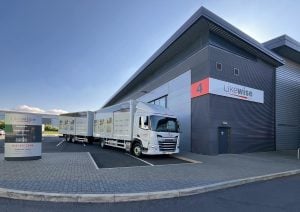
The transport element is also presented as a meaningful part of the equation. Drax says it is working to optimise its supply chain so that it is as energy efficient and low carbon as possible. Large infrastructure transitions are rarely decided by a single technology choice alone. They are shaped by how efficiently materials move, how dependable the network is and how well the operator can manage complexity over long periods.
At the power station itself, Drax ties the BECCS proposal to a broader conversion journey. The site has moved from coal to biomass over time, and the company is now presenting carbon capture as the next stage in that transition. Existing infrastructure, operating experience and grid relevance can all strengthen strategic timing, particularly when energy security remains an important consideration alongside decarbonisation.
Drax Group plc (LON:DRX), trading as Drax, is a power generation business. The principal downstream enterprises are based in the UK and include Drax Power Limited, which runs the biomass fuelled Drax power station, near Selby in North Yorkshire.