Vanadium is becoming more relevant to investors as energy storage, infrastructure and critical minerals policy converge around a metal that already has established industrial demand.
The metal is best known for its use in steel, where small additions can improve strength, toughness and corrosion resistance. That existing demand base matters because it gives vanadium a role beyond emerging battery applications. This creates a market profile tied to both traditional infrastructure spending and the longer-term build-out of grid-scale energy storage.
The newer area of interest is vanadium flow batteries. These batteries are designed for long-duration energy storage, making them relevant as electricity systems add more renewable generation and require better ways to balance supply and demand. The investment case is about whether vanadium supply chains can develop quickly and reliably enough to support larger deployments.
Supply remains a central issue. Vanadium is rarely mined as a standalone commodity. It is commonly recovered from vanadium-bearing titanomagnetite ores, often linked to steelmaking and other industrial processes. That structure can limit the speed at which supply responds to new demand, because output is often tied to broader mining and processing economics rather than vanadium prices alone.
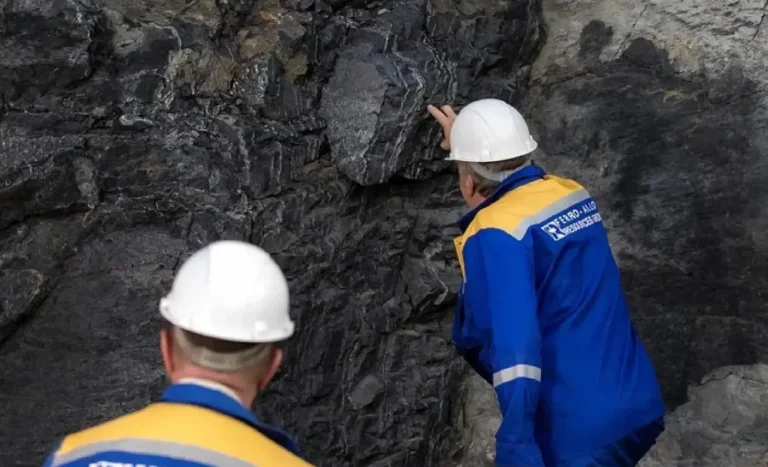
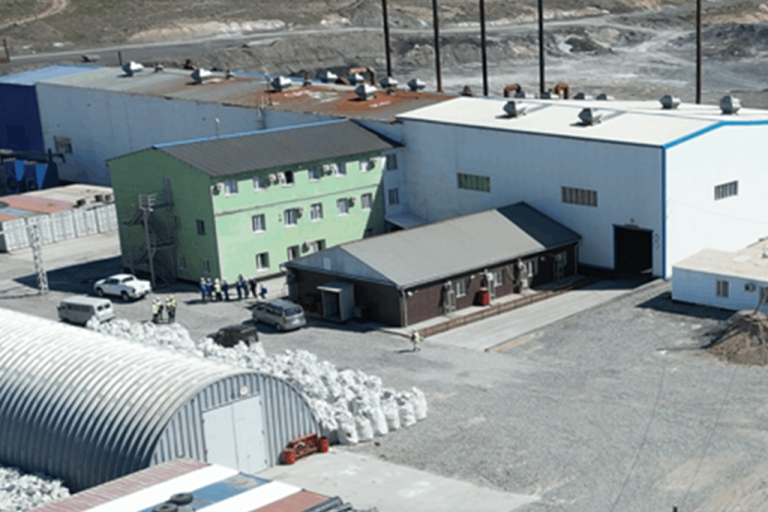
Ferro-Alloy Resources Ltd (LON:FAR) is developing the giant Balasausqandiq vanadium deposit in Kyzylordinskaya oblast of southern Kazakhstan. The ore at this deposit is unlike that of nearly all other primary vanadium deposits and is capable of being treated by a much lower cost process.